Empowering Education: Top Strategies for Student Engagement and Academic Success
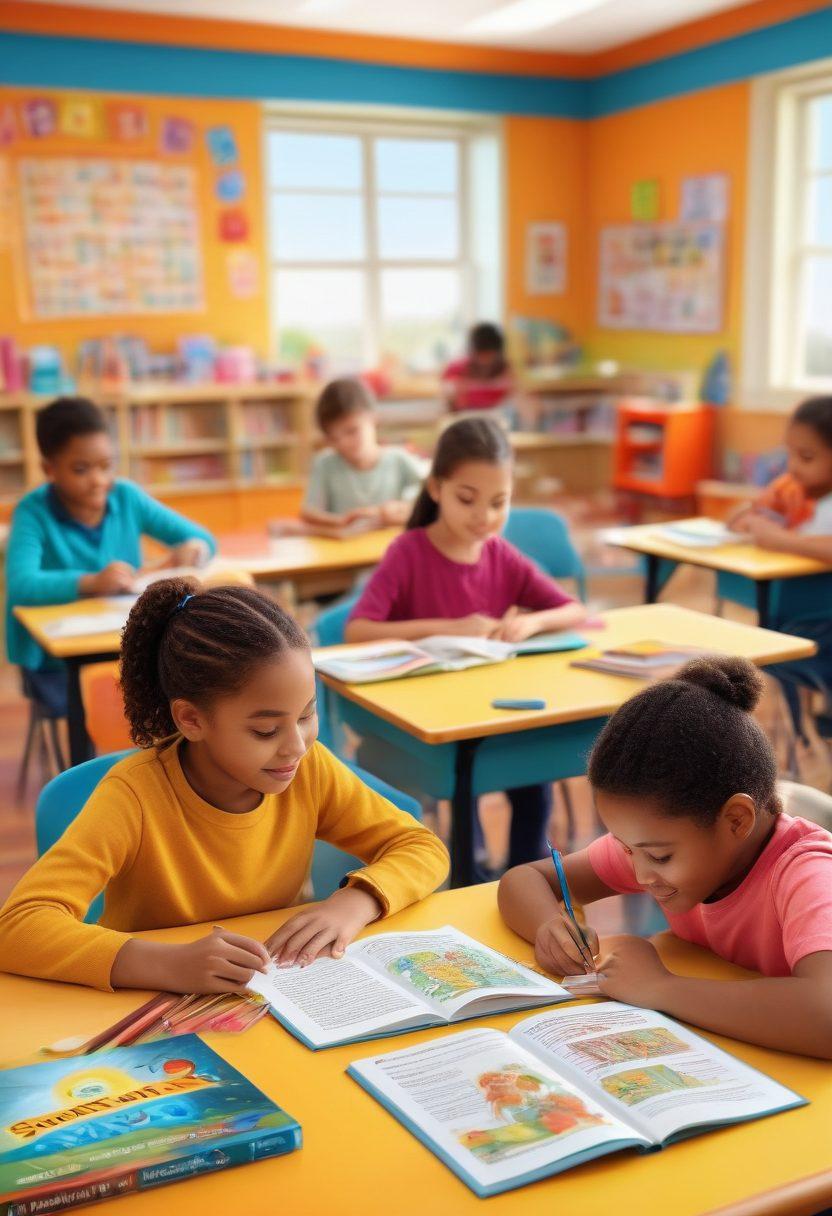
In the fast-evolving landscape of education, one question remains at the forefront of teachers' minds: How can we maximize student engagement? In today's educational institutions, student engagement is more crucial than ever. It has the power to transform a regular classroom into a vibrant learning platform, brimming with curiosity and enthusiasm. Imagine walking into a classroom where students are actively participating, collaborating with their peers, and genuinely interested in the material. This is the kind of learning environment that innovative teaching strategies can create, paving the way for academic success and holistic development.
One effective approach to fostering student engagement is through experiential learning. As educators, we can create memorable experiences that resonate with our students. Think of it as taking a leap from traditional learning methods to something dynamic and interactive. For instance, rather than simply reading about historical events, why not encourage students to reenact them? Use role-playing as a tool—it's not just fun, but studies suggest that it's an effective teaching strategy. Who would have thought that dressing up as historical figures could enhance understanding and retention? This approach lends itself to a wealth of school resources and learning materials that make history come alive beyond the confines of textbooks.
Another innovative strategy lies in integrating technology into the classroom. As we draw upon educational tools like interactive whiteboards, educational apps, and online learning platforms, we can captivate our students' attention and spark their creativity. Imagine using gamification to teach Math or Science, where students earn points not just for correct answers but for their efforts and collaboration. Are you ready to harness the power of technological advancement? Embrace the digital age and watch as your students transform into active participants in their own educational journeys.
Moreover, parental involvement in education is a game-changer for student engagement. When parents team up with educators, the positive impact on students’ academic performance becomes unmistakable. Encourage parents to participate actively, whether through school events or by integrating study tips to support their children at home. As educators, we can host workshops or webinars to equip parents with knowledge about curriculum guides and effective study strategies. In doing so, we help create a support network that transcends the walls of the classroom. How can we make learning a shared responsibility? By uniting families and schools, we build a stronger foundation for our children’s success.
Lastly, never underestimate the power of professional development for educators. Continuous learning within our teaching community is essential—not only for our growth but also for refining our teaching strategies. Engage in scholarly articles, attend workshops, and participate in enriching educational blogs that discuss classroom management and innovative student resources. We are all on a continuous journey to create better educational environments. So let’s ask ourselves: What steps can we take today to inspire our students and enhance their learning experience? The strategies we implement now can create ripples of positive change, leading to an academically engaged classroom and beyond.
Essential Resources for Academic Success: Tools for Educators and Students
In the rapidly evolving world of education, ensuring that students thrive academically has become both a challenge and an opportunity for educators and parents alike. As we navigate through this landscape, it's essential to equip ourselves with the right tools and resources that can foster student engagement and academic success. The journey begins with finding the perfect educational institution, which can serve as the cornerstone for a student's learning experience. What if the right educational resources made all the difference in transforming potential into achievement?
Imagine a classroom where every single student feels supported, inspired, and ready to take on the world. This vision can be turned into reality by integrating effective school resources, such as innovative learning platforms and comprehensive curriculum guides. By utilizing these educational tools, educators can create a dynamic learning environment that promotes collaboration, creativity, and critical thinking. As Albert Einstein once said, "Education is not the learning of facts, but the training of the mind to think." So, how can we empower our students to think outside the box while mastering the curriculum?
For educators, seeking out professional development opportunities can significantly enhance teaching strategies and classroom management techniques. The educational blog community is rich with scholarly articles and pedagogical advice that can inform and inspire teaching styles. By exploring study tips that specifically address student resources, teachers can tailor their approaches to meet the diverse needs of their classes. This ongoing learning process not only benefits educators but also translates to improved student engagement and motivation. After all, a well-prepared teacher can ignite the spark of curiosity in their students!
Furthermore, parental involvement in education plays a crucial role in academic success. When parents are engaged, students are more likely to achieve their educational goals. Schools can strengthen this partnership by providing resources and workshops that empower parents to support their children's learning journey. Early childhood education strategies, for example, lay the groundwork for a successful academic path. Parents can access a wealth of information that will help them provide enriching learning experiences at home. Are we leveraging this potential to its fullest?
In secondary education, the focus shifts towards preparing students for life beyond school. By utilizing engaging learning materials and fostering a sense of community among students, educators can create an environment where academic support is readily available. Encouraging peer collaboration and using various student engagement techniques can lead to a more profound understanding of complex subjects. Ultimately, by embracing innovative educational resources and a collaborative approach, we can pave the way for our students to excel and emerge as confident, competent individuals ready to tackle future challenges.
The Role of Parental Involvement in Shaping Educational Journeys
In the ever-evolving landscape of education, one fundamental truth remains: parental involvement plays a crucial role in shaping successful educational journeys. Parents are the first teachers, and their engagement extends beyond the classroom walls. Have you ever wondered how your participation can influence your child's academic success? From early childhood education to secondary education resources, the ripple effect of parental involvement is undeniable. Whether you're actively volunteering at the CP school or simply engaging in conversations about learning goals, every effort contributes to fostering a rich educational environment.
Consider this for a moment: When parents take an active role in their child's education, students often achieve higher levels of engagement and performance. As an educational institution focuses on the holistic development of learners, it becomes evident that parents are key partners in this mission. Imagine a learning platform where both educators and parents collaborate on teaching strategies, fostering an atmosphere where academic support becomes a shared responsibility. When you, as a parent, engage with your child’s learning materials and school resources, you reinforce the importance of education, making it a central part of your family's values.
You might wonder, how can I, as a parent, engage more effectively? Here are some actionable tips that resonate with parents navigating the complexities of education. Start by exploring various educational tools and resources available through the school or online educational blogs. Establish a routine for homework and study sessions, utilizing curriculum guides and study tips to support your child’s learning. Share scholarly articles about topics that intrigue your child, making discussions around education a delightful and meaningful experience. These practices not only enhance knowledge retention but also deepen your connection with your child's academic journey.
Another layer to this equation is the influence of a supportive community. Strong parental involvement in education opens doors to valuable networks, allowing access to professional development for educators and workshops on effective classroom management. This sense of community nurtures a collaborative spirit, where parents can share their own pedagogical advice and insights. Have you attended workshops at school or participated in discussions with other parents? If not, think about how these opportunities can help you and your child feel more connected to their educational path.
Ultimately, cultivating parental involvement in the learning process is an empowering strategy that leads to higher academic success and overall personal growth for students. By bridging the gap between home and school, you're not just supporting your child's education, you're paving the way for them to thrive as engaged and curious learners. So let’s turn the spotlight on you, the parent. How will you navigate this journey and redefine your role in shaping an empowering educational experience for your child?